![Sabanto-Horizontal-Orange-on-Transparent-RGB-1080px-05.16.23.png]](https://support.sabantoag.com/hs-fs/hubfs/Sabanto-Horizontal-Orange-on-Transparent-RGB-1080px-05.16.23.png?height=50&name=Sabanto-Horizontal-Orange-on-Transparent-RGB-1080px-05.16.23.png)
Accurate vehicle measurements are the foundation of safe and efficient autonomous operations. These values are critical for our system to create a precise digital twin of your equipment, which is used for:
- Path Planning: Generating optimal routes that account for the vehicle's exact dimensions and turning capabilities.
- Collision Avoidance: Ensuring the vehicle is aware of its own footprint to avoid obstacles.
- Implement Interaction: Correctly calculating the position and movement of attached implements.
This guide provides additional context for each measurement to help you capture them accurately.
Table of contents
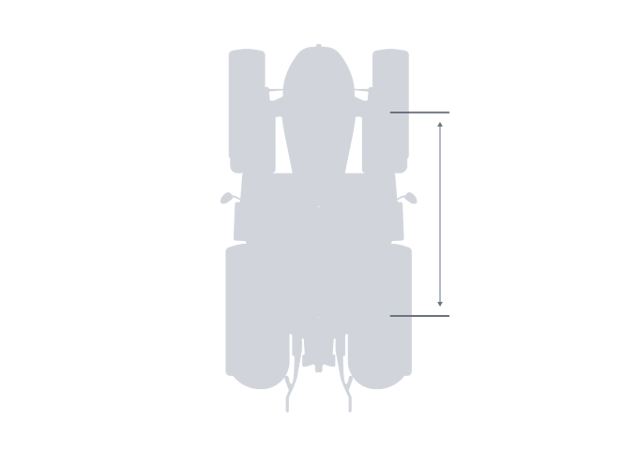
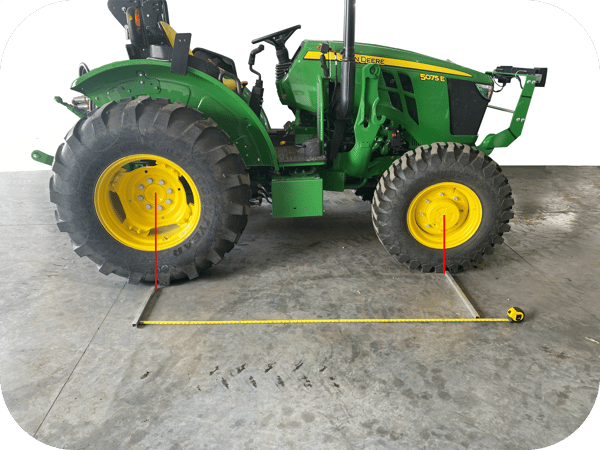
Front Axle to Rear Axle
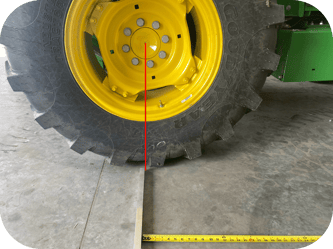
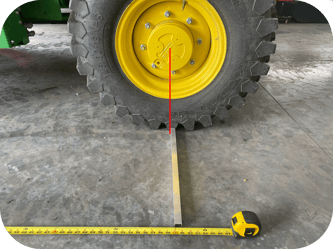
The distance between the center of the front axle and the center of the rear axle.
Why it's important: This measurement, often called the wheelbase, is fundamental to understanding the vehicle's stability and turning radius. It directly affects how the vehicle will maneuver, especially during headland turns.
Silhouette View |
|
Center View |
|
Left View |
Right View |
Why it's important: This defines the attachment point for 3-point implements. An accurate measurement ensures the system knows the precise location of the implement relative to the vehicle, which is critical for positioning the implement correctly during passes.
Silhouette View
|
|
Center View
|
|
Left View
|
Right View
|
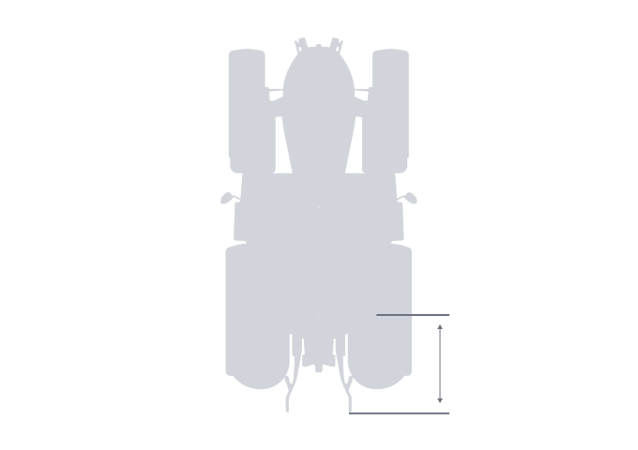
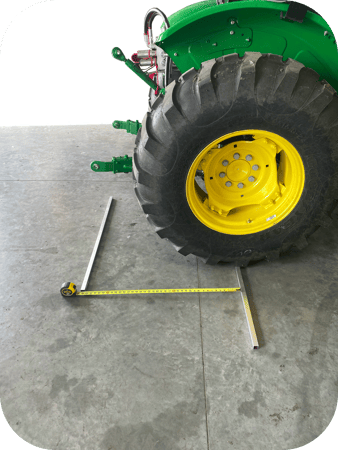
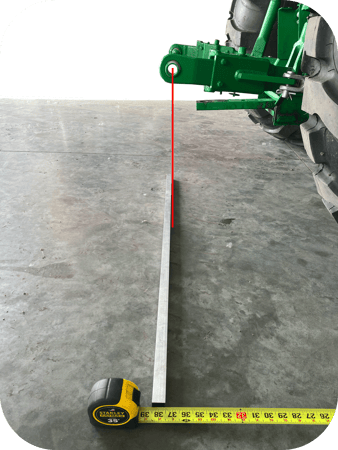
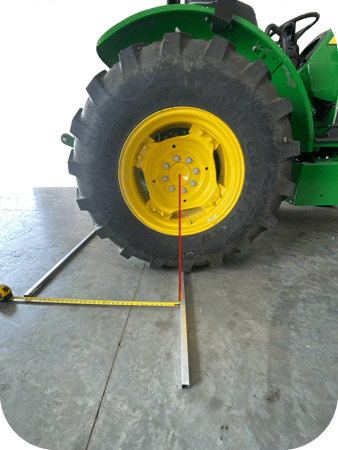
Rear Axle to Rear Drawbar
The distance between the center of the rear axle to the center of the drawbar pin hole where the implement connects to the rear pivot point.
Why it's important: This measurement is crucial for towed implements. It defines the pivot point, which dictates how the implement will track behind the vehicle during turns. An incorrect value can lead to the implement cutting corners or swinging too wide.
Silhouette View
|
|
Center View
|
|
Left View
|
Right View
|
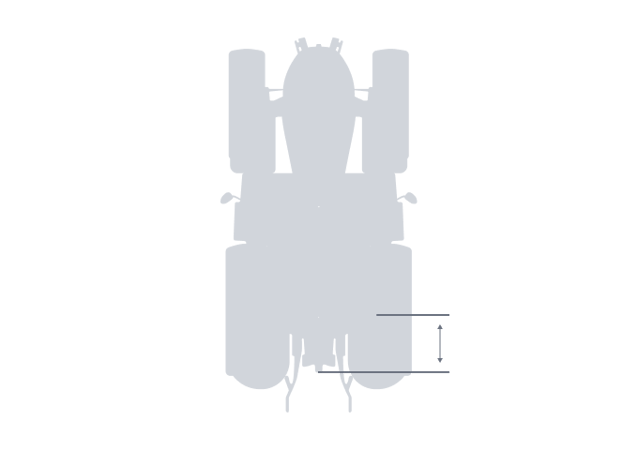
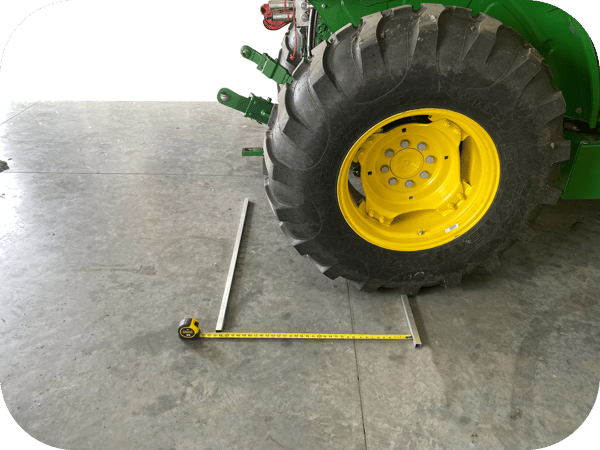
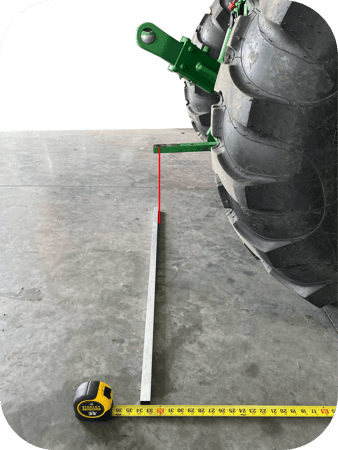
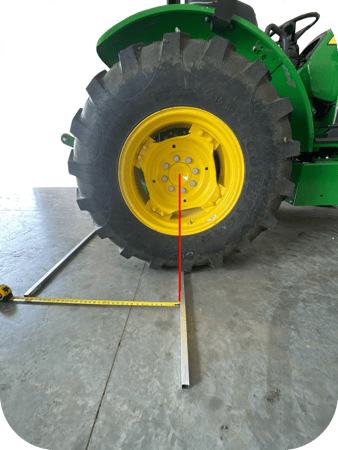
Rear Axle to Rear of Vehicle
The distance between the center of the rear axle and the rearmost point of the vehicle itself, excluding any hitches.
Why it's important: This helps define the vehicle's "overhang." The system uses this to understand how much space the vehicle needs when making tight turns, preventing the rear of the vehicle from colliding with obstacles.
Silhouette View
|
|
Center View
|
|
Left View
|
Right View
|
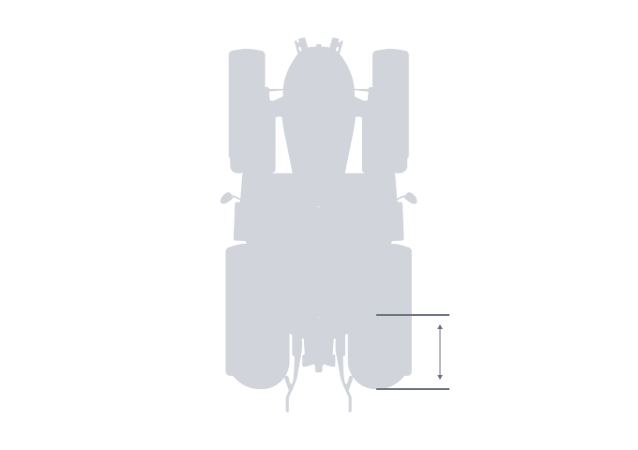
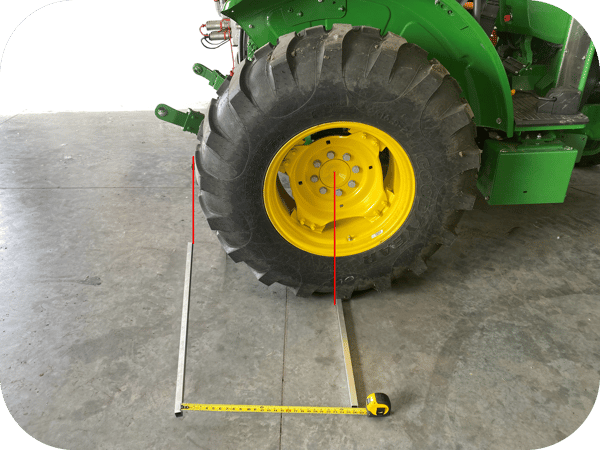
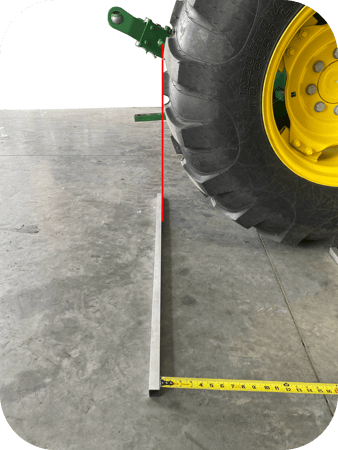
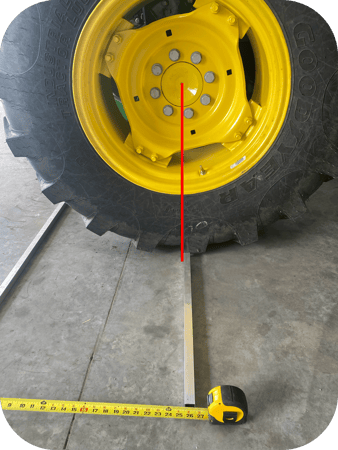
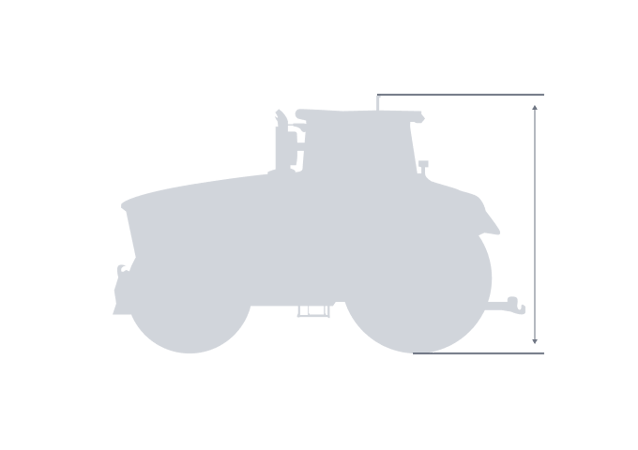
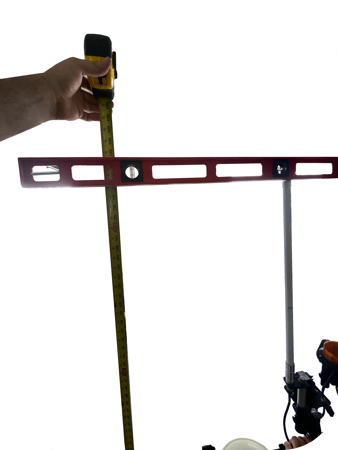
Vehicle Height
The maximum height of the vehicle, including the cab, antennas, or any other permanent fixtures.
Why it's important: This is a critical safety measurement for clearance. The system uses it to avoid collisions with overhead obstacles like bridges, building entrances, or low-hanging tree branches.
Silhouette View
|
|
Center View
|
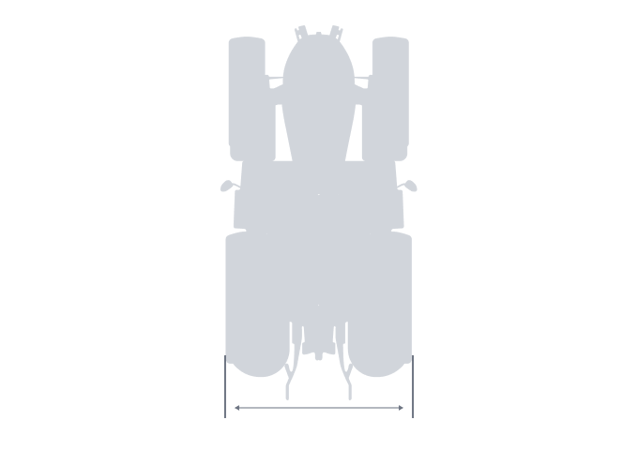
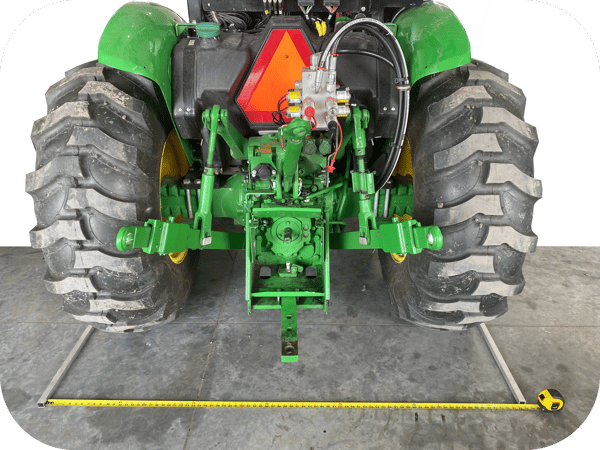
Vehicle Width
The maximum width of the vehicle, usually measured at the widest point of the tires.
Why it's important: This defines the vehicle's horizontal footprint. It's used for path planning to ensure the vehicle can fit through gates or down narrow lanes. It also helps in calculating the overall width when an implement is attached.
Silhouette View
|
|
Center View
|
|
Left View
|
Right View
|
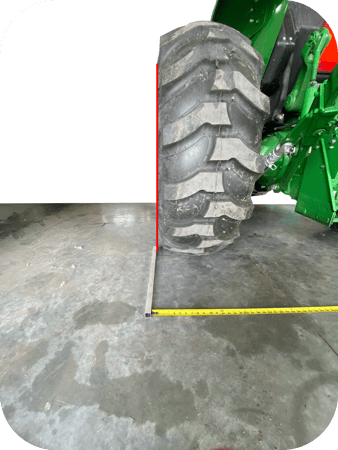
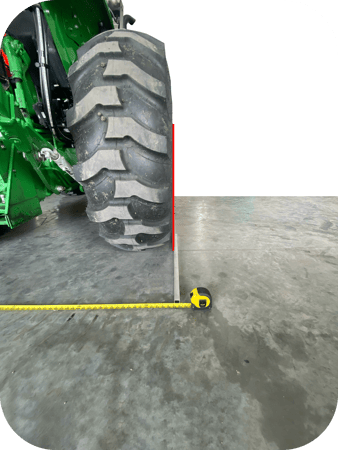
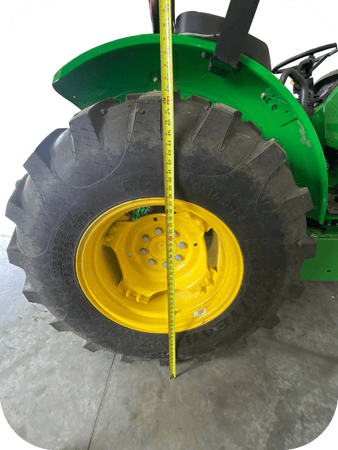
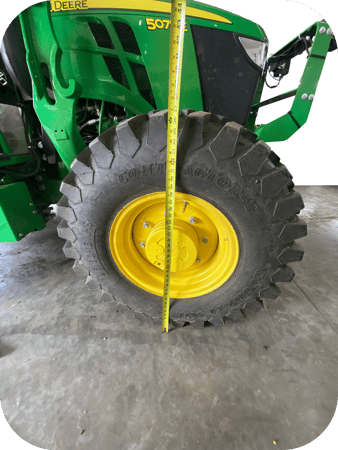
Front Tire Diameter & Rear Tire Diameter
The diameter (height) of the front and rear tires.
Why it's important: Tire diameter is used to more accurately report the wheel speed of the vehicle.
Silhouette View - Front Tire Diameter
|
|
Silhouette View - Rear Tire Diameter
|
|
Rear Tire Diameter
|
Front Tire Diameter
|
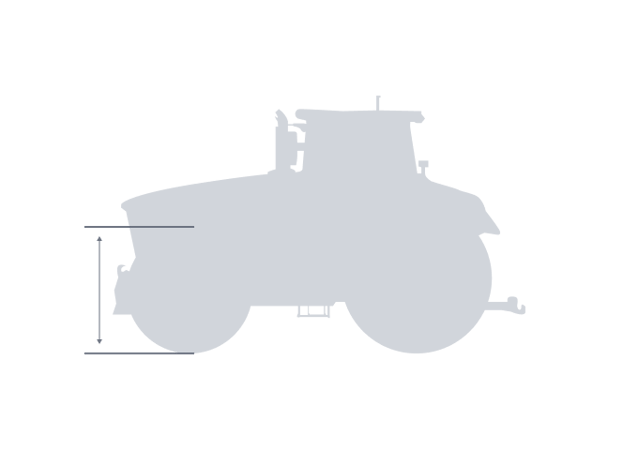
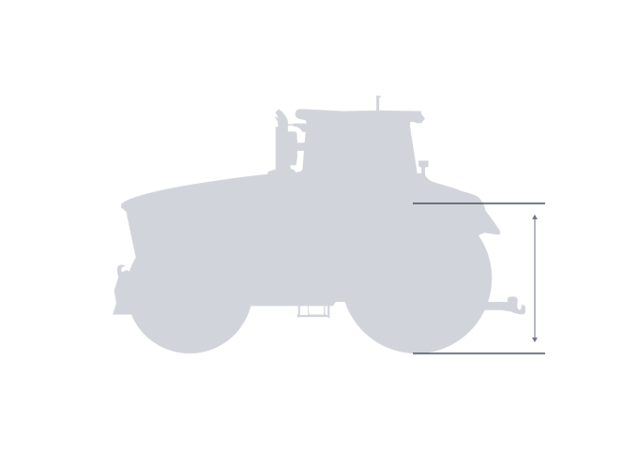
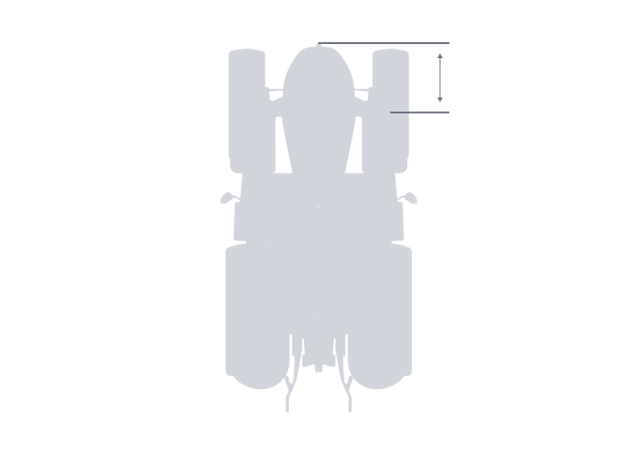
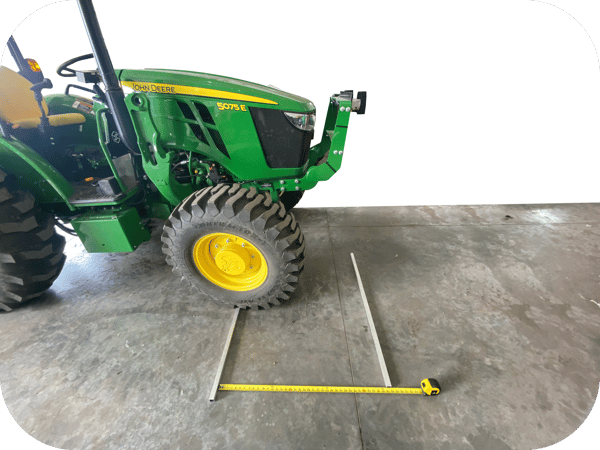
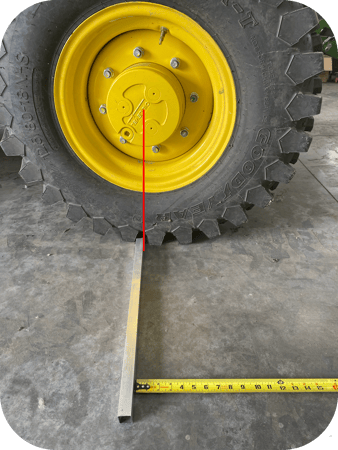
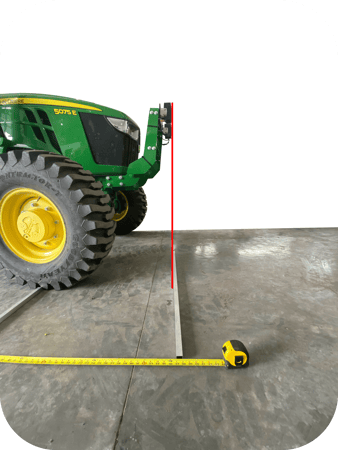
Front Axle to Front 3-Pt Hitch
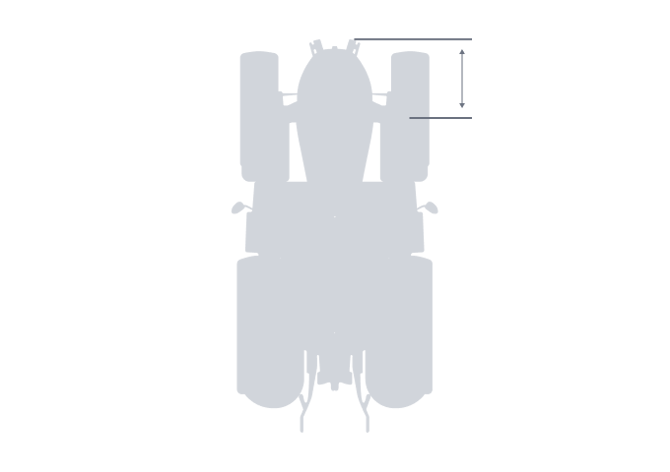
The distance between the center of the front axle and the connection point for a front-mounted implement.
Why it's important: Similar to the rear hitch measurement, this defines the precise location of a front-mounted implement. This is essential for accurate control and collision avoidance.
Silhouette View
|
|
Center View |
|
Left View |
Right View |